
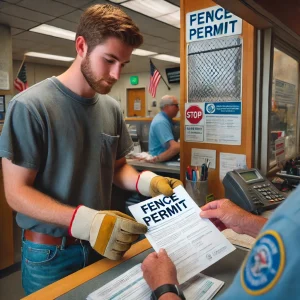
 If you’re planning to install a fence, you might be wondering whether a permit is required. The short answer: it depends on where you live. Local laws, zoning codes, and homeowners association (HOA) rules determine if you need a permit, often based on factors like fence height, location, or design. Skipping this step can lead to fines, legal trouble, or even having to dismantle your fence. Here’s a breakdown to help you figure it out and stay compliant.
Why Are Permits Required for Fences?
Permits ensure your fence meets safety, zoning, and community standards. You might need one if:
- Height Limits Apply: Many areas restrict fence heights—typically 6 feet for backyards or 4 feet for front yards.
- Location Matters: Fences near property lines, sidewalks, or roads often require approval to avoid disputes or visibility issues.
- Materials or Style: Some regions regulate fence types (e.g., banning barbed wire in residential zones).
Getting a permit upfront prevents costly consequences later. For more on avoiding issues, see How to Select a Fence Company or Contractor.
How to Check If You Need a Permit
Contact your local building department or HOA to find out. Here are some key questions to ask:
- “What’s the maximum height for fences in my area?”
- “Are there rules for fences on property lines or near utilities?”
- “Do I need neighbor approval or a survey?”
Many cities post fencing regulations online—search “[your city] fence permit” for quick insights. If you’re in an HOA, check their guidelines too, as they might have stricter rules.
The Permit Process: Step by Step
If a permit is required, here’s what’s typically involved:
- Submit a Site Plan: Provide a survey or diagram showing your property and where the fence will go.
- Include Fence Details: Submit drawings or specs (height, materials, design).
- Pay the Fee: Costs vary—expect $50 to $200, depending on your location.
- Await Approval: Processing can take days to weeks, so plan accordingly.
Some areas might also require neighbor notification or a public hearing, especially for taller fences. Hiring a professional familiar with local codes can simplify this—check out Questions to Ask Your Contractor.
Risks of Skipping a Permit
Building without a permit can lead to:
- Fines: Local authorities may impose significant penalties.
- Legal Action: Neighbors or HOAs could take you to court over violations.
- Forced Removal: You might have to tear down the fence at your own expense.
It’s a risk not worth taking—checking requirements first saves time and money.
Practical Tips
- Start Online: Search “[your city] fence permit” for local rules.
- Talk to Neighbors: A heads-up can prevent disputes, even if not required.
- Consider a Pro: A local fence installer can often handle the permit process for you.
Conclusion
Before installing a fence, always confirm if a permit is needed—it’s a small effort that avoids big headaches. Follow local regulations, plan ahead, and consult a professional if you’re unsure. For more fencing advice, explore Fence Articles or compare costs at What Is the Average Cost of a Fence?.
Related Resources